How luck influences your casino experience
The Role of Luck in Casino Games
Luck is often regarded as a pivotal element that dictates the outcome of various casino games. From the spinning of a roulette wheel to the draw of cards in blackjack, players frequently find that the element of chance plays a significant role in shaping their gaming experiences. While skill and strategy can certainly contribute to a player’s success, the unpredictable nature of luck remains a dominant force, influencing not only the results of games but also the emotions and enjoyment of those participating. For those looking for a fresh experience, exploring new betting sites adds another layer of excitement, where every moment holds the possibility of a life-changing win.
In many casino games, the odds are traditionally designed to favor the house, making a comprehensive understanding of luck essential for players. For example, in poker, although players can apply strategies to enhance their chances, the luck of the draw ultimately determines the outcome of each hand. This random element keeps participants engaged, creating an electrifying atmosphere filled with suspense. A lucky hit can lead to exhilarating moments, resulting in memorable experiences that players often recount long after they leave the casino. Furthermore, the environment of the casino, with its vibrant sounds and visuals, amplifies the anticipation and excitement that comes with each spin, flip, or draw.
Furthermore, luck can significantly impact a player’s mindset and approach to gambling. A player who enjoys a run of victories may feel emboldened and inclined to take more risks, while a series of losses can lead to frustration and alter their strategy. This psychological interplay highlights the complex relationship between luck and personal behavior, revealing how chance can influence decisions and the overall casino experience, turning mere gaming into an emotional journey. Players often find themselves caught in a cycle where their perception of luck directly influences their gambling choices, leading to either a more cautious or a more reckless approach.
Luck and Emotional Responses
The emotional responses generated by luck during gambling are profound and can vary widely. Winning often elicits feelings of euphoria and excitement, leading to what many players describe as a «winning high.» This rush can be so compelling that it drives individuals to chase the thrill of victory, contributing to the addictive nature of gambling. The rush associated with hitting a significant jackpot can create an elation that continues to resonate long after the gaming session concludes. This euphoric state is not just about the monetary win; it can also stem from a sense of accomplishment and validation that boosts a player’s confidence and fuels their desire to continue playing.
Conversely, bad luck can trigger negative emotional responses, including disappointment and frustration. Many players experience “tilt,” a state of emotional distress following a string of losses, which can lead to impulsive and reckless gambling behavior. This emotional rollercoaster, driven by the whims of luck, illustrates the psychological effects that gambling can have on players, ultimately affecting their decision-making processes and overall enjoyment of the gaming experience. Players may find themselves questioning their strategies or even blaming the casino environment for their misfortunes, further complicating their emotional landscape.
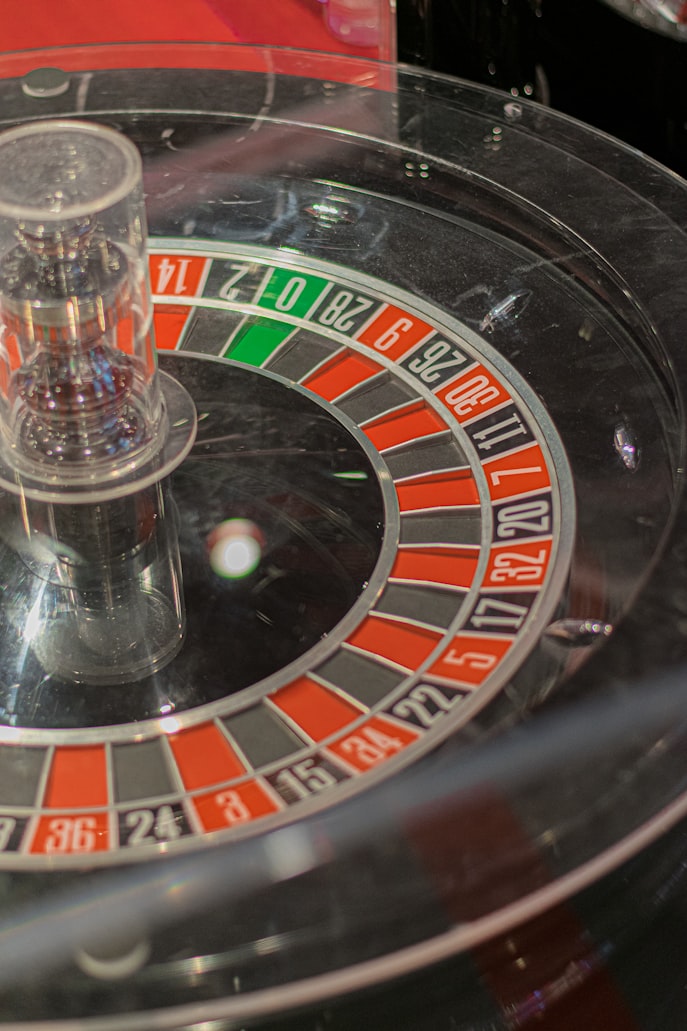
Interestingly, the social dynamics of gambling can amplify these emotional responses. When players win together at a table, the shared joy can foster a sense of camaraderie, enriching the overall experience. On the flip side, mutual losses can create bonds among players as they navigate their frustrations together. These social interactions highlight that luck does not only impact individual players but also shapes the collective atmosphere of the casino, enhancing the experience for all involved. The joy of shared victories and the support during tough times can create lasting friendships and a sense of community among regular players.
The Perception of Luck and Superstitions
Players often cultivate personal beliefs and superstitions surrounding luck that can significantly influence their gaming experiences. These beliefs can manifest in various forms, from carrying a lucky charm to adhering to distinct routines before engaging in play. Whether it involves tapping a slot machine or donning a specific outfit, such behaviors stem from a desire to exert some control over the unpredictable outcomes inherent in casino games. This psychological aspect of superstition is fascinating, as it reflects players’ attempts to influence their luck. Interestingly, these rituals can provide comfort and a sense of agency amidst the chaos of chance, making the gaming experience more personal and meaningful.
Research indicates that these superstitions can enhance the enjoyment of the gambling experience. When players feel they have even a semblance of control—however illusory—over their luck, it can lead to a more positive mindset. This perception can amplify the enjoyment of the games, even if the actual outcomes remain unchanged. Therefore, the belief in luck becomes intertwined with the gaming experience, blending reality with personal narratives and rituals that players create. Such practices not only enrich the gaming experience but also create a shared language among players, as they bond over their unique superstitions and beliefs about luck.
Moreover, the casino environment itself often nurtures these notions of luck. The way games are presented, the overall ambiance, and the stories exchanged among players contribute to a culture where luck is both revered and feared. Casinos thrive on this atmosphere of destiny and belief, recognizing that the perception of luck can enhance player engagement and loyalty. Understanding these cultural dimensions can help players navigate their experiences more thoughtfully and maximize their enjoyment in the gaming environment. This interconnectedness of personal belief systems and the casino’s design fosters a rich tapestry of experiences that can significantly influence how players perceive their luck.
The Influence of Randomness on Luck
At the core of casino gaming lies the concept of randomness. Many games are designed to be unpredictable, ensuring that each outcome is fair while allowing luck to play a significant role. For example, slot machines utilize random number generators to determine winning combinations, making it entirely reliant on chance whether a player will win or walk away without any rewards. This inherent randomness is what continually draws players back, as it guarantees that every session can yield unexpected surprises. The thrill of uncertainty is what makes each spin or hand uniquely exhilarating, reinforcing the idea that luck is an integral part of the experience.
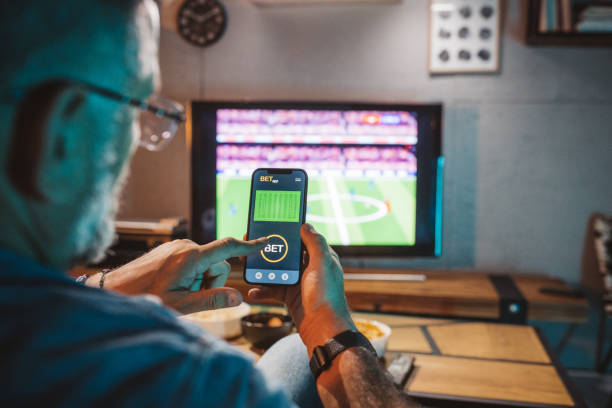
The mathematical principles governing these games reinforce the notion of luck. Different games come with varying odds and payout structures, meaning that some may be more favorable than others regarding potential wins. Players frequently discuss which games are «hot» or «cold,» attributing their experiences to perceived streaks of luck. While understanding these mechanics can provide an advantage, it does not eliminate the role of luck in determining success during any given gaming session. Players often find themselves caught up in the excitement of chasing streaks, leading them to take risks that they might ordinarily avoid.
Moreover, the randomness of outcomes appeals to diverse types of players. Some individuals relish high-risk games where luck plays a central role, while others may prefer strategic games where skill can shine. Regardless of individual preferences, the underlying randomness serves as a constant reminder that luck is an inherent aspect of the casino experience, influencing players’ decisions and strategies as they navigate their gaming journeys. This acceptance of randomness can foster a deeper appreciation for the games, allowing players to engage with them not just for the potential financial reward but for the sheer enjoyment of the experience.
A Comprehensive Gambling Experience
For players seeking a holistic gambling experience, grasping the intricate relationship between luck and casino gaming can significantly enhance their enjoyment and engagement. It transcends merely winning or losing; it encompasses understanding the emotional highs and lows, the personal superstitions, and the random nature of the games. Players who acknowledge the influence of luck can approach their gaming sessions with a balanced perspective, allowing them to relish the experience regardless of the outcomes. This awareness can lead to a more fulfilling journey through the casino, where each game becomes an opportunity for enjoyment rather than just a means to an end.
Additionally, the casino landscape presents a variety of experiences catering to different preferences and personalities. From the dazzling lights of slot machines to the strategic ambiance of poker tables, each game offers a unique setting for players to navigate their fortunes. Embracing the unpredictable essence of luck can lead to a richer experience, encouraging players to share stories and forge connections based on their diverse outcomes. The social aspect of gaming can add another layer of enjoyment, as players bond over their mutual love of chance and fortune.
In conclusion, luck fosters a dynamic and multifaceted gambling experience that extends beyond mere chance. It intertwines with emotions, perceptions, and randomness to shape players’ journeys within the casino. By appreciating the role of luck—not solely as a factor in winning but as a vital element of the entire experience—players can engage more fully with the thrill of gambling and create lasting memories during their time at the tables. Recognizing that luck is a shared experience can enhance camaraderie and enrich the overall casino atmosphere, making every visit more enjoyable.
Comentarios recientes